Nearby, in Tarrant County
Water Softeners & Filtration in Fort Worth, TX
Fort Worth is next door to Parker County, in Tarrant County, and its water comes entirely from lakes, reservoirs and river. Hardness varies across the city and through the year, so a free test is the way to see your own tap.
Nearby in Tarrant County
Ask on the form whether we reach your part of town.
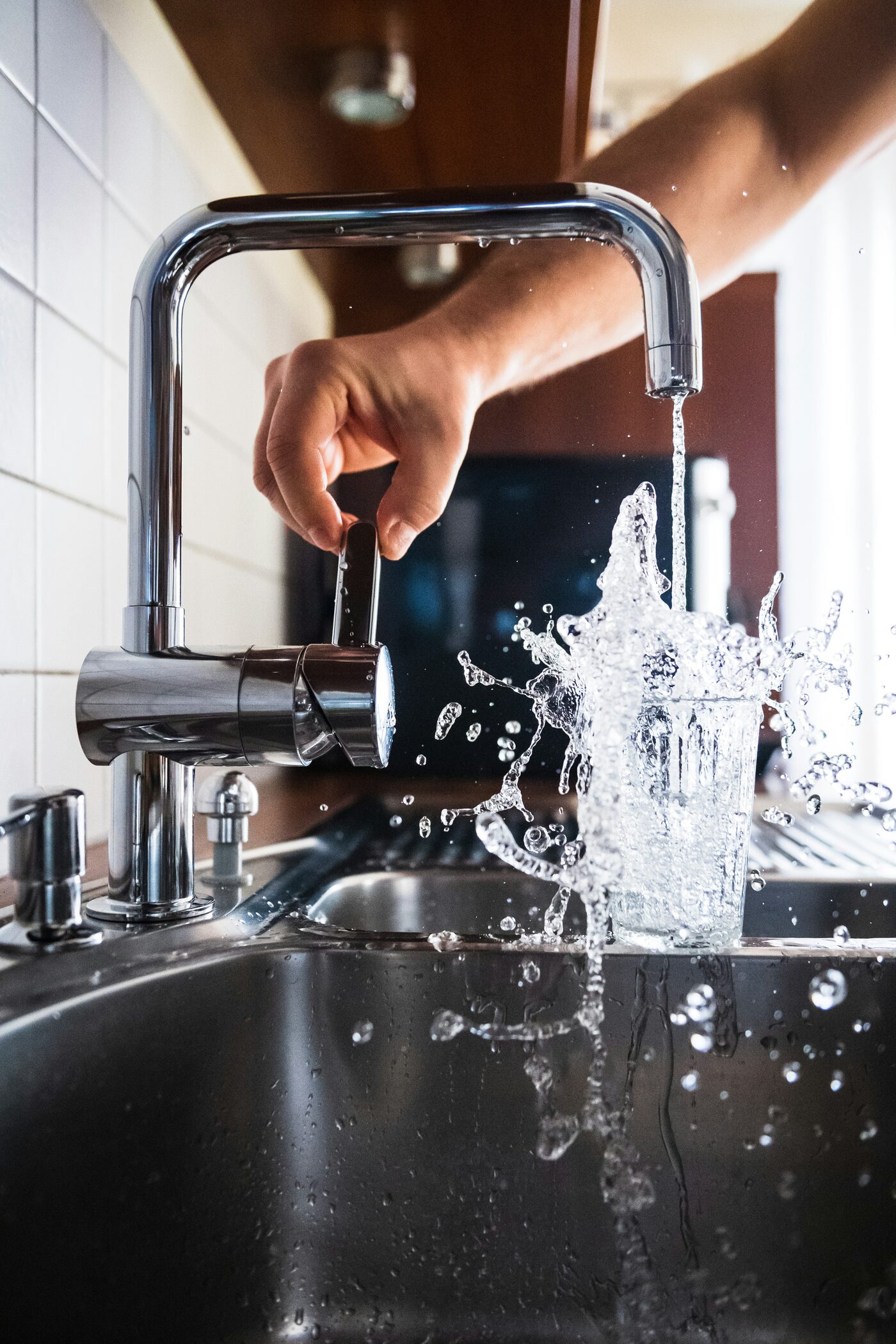
Illustrative photo.
Your water source
Where Fort Worth’s water comes from
The City of Fort Worth uses 100 percent surface water. Its sources are Lake Worth, Eagle Mountain Lake, Lake Bridgeport, Richland-Chambers Reservoir, Cedar Creek Reservoir, Benbrook Lake and the Clear Fork of the Trinity River. That is a much bigger and more varied set of sources than any of the Parker County towns nearby.
For 2024, the city reports hardness of 76.5 to 175 ppm, or about 5 to 10 grains per gallon, and total dissolved solids of 156 to 289 ppm. It describes the water as moderately hard to hard, and notes that it varies by part of the city and by time of year.
Because that is a range across a large system, we do not show a single hardness number on this page. A home on one side of the city in one season can read noticeably differently from another home elsewhere in a different season. The only reliable figure for your house is one taken at your tap.
The reported spread matters when comparing treatment options. A measured result is a better sizing input than the high end of the city range. TDS is also a broad measure: it does not identify every dissolved substance or say whether your drinking water is safe. For a kitchen-water concern, consider the taste you notice and the water you use for cooking alongside the reading. A range in a public report should begin that conversation, not finish it.
Fort Worth uses 100% surface water: Lake Worth, Eagle Mountain Lake, Lake Bridgeport, Richland-Chambers Reservoir, Cedar Creek Reservoir, Benbrook Lake and the Clear Fork Trinity River.
Source: City of Fort Worth: Water Quality
Your home’s water can differ from the city average. A free test shows what’s actually at your tap.
Fort Worth reports 2024 hardness of 76.5–175 ppm (5–10 grains per gallon) and total dissolved solids of 156–289 ppm, describing its water as moderately hard to hard, varying by part of the city and time of year.
Source: City of Fort Worth: Water Quality; U.S. Geological Survey: Hardness of Water
Your home’s water can differ from the city average. A free test shows what’s actually at your tap.
Know your supply
City water, water supply corporation or private well?
For a home billed by Fort Worth Water, use the city’s report as the starting point. If a different supplier bills your property, check that supplier’s report instead of assuming the Fort Worth range applies. Ask which public system serves the house if the paperwork is unclear; the city name in a mailing address does not settle the water-supply question.
If your property is on a private well, the EPA advises testing every year and after any change in taste, smell or color, with bacteria and nitrate testing done by a certified lab.
The EPA says private well owners are responsible for their own water and advises testing every year.
Source: EPA: Protect Your Home’s Water
Your home’s water can differ from the city average. A free test shows what’s actually at your tap.
Your test
What we’d check at a Fort Worth test
A Fort Worth test is about pinning down a point in a wide range.
Hardness in your part of town
With a reported 5 to 10 grain range, your reading shows whether a softener would make a real difference.
Dissolved solids
TDS between 156 and 289 ppm citywide means the kitchen tap reading matters when weighing reverse osmosis.
Seasonal change
If you have noticed taste or spotting shift through the year, we talk about what that might mean for treatment.
Taste at the sink
We ask what your household notices, since taste often decides between drinking water and whole-home filtration.
The free, no-obligation in-home test checks hardness, chlorine and TDS at your tap. We come to you and explain what the results mean.
Services that fit Fort Worth homes
For nearby Fort Worth homes, confirm that we serve your part of town before scheduling. Once coverage is confirmed, water testing helps connect the broad city range to your own scale or taste concerns. A softener recommendation should use the hardness measured at your home and household water use, rather than treating the whole city as one reading.
Reverse osmosis or drinking-water filtration may fit a kitchen-focused concern. Whole-home filtration is worth comparing when the goal involves several taps, but it does not take the place of softening. Fort Worth’s surface-water sources alone do not tell us which equipment you need. Bring any existing treatment details and the latest utility report so we can discuss what each option would do and what it would leave unchanged.
How it works
Three steps, no pressure
It always starts with your water. Installation is performed by a licensed plumber we partner with.
- 01
Free water test
We come to your home and test hardness, chlorine and TDS at your tap. The test is free, there is no obligation, and we explain the results in plain English. - 02
A clear recommendation
We tell you which system, if any, fits your water and your household, before you commit to anything. - 03
Professional installation
Installation is performed by a licensed plumber we partner with.
Is Fort Worth in Parker County?
No. Fort Worth is in Tarrant County, next door to Parker County. We are based in Weatherford and list Fort Worth as a nearby area.
Which parts of Fort Worth do you serve?
We are still confirming exactly which parts of Fort Worth we cover. Tell us your neighborhood on the form and we will let you know.
How hard is Fort Worth water?
The city reports 2024 hardness of 76.5 to 175 ppm, about 5 to 10 grains per gallon, and says it varies by part of the city and time of year.
Does Fort Worth use any groundwater?
The city says its supply is 100 percent surface water from its lakes, reservoirs and the Clear Fork of the Trinity River.
Nearby areas
Free water test
Book your free water test in Fort Worth
Tell us a little about your water and how your home gets it, and we’ll reach out to set up a time.